


What is an efficiency apartment?
Are you’re pondering whether to rent an efficiency or a studio? We can help.

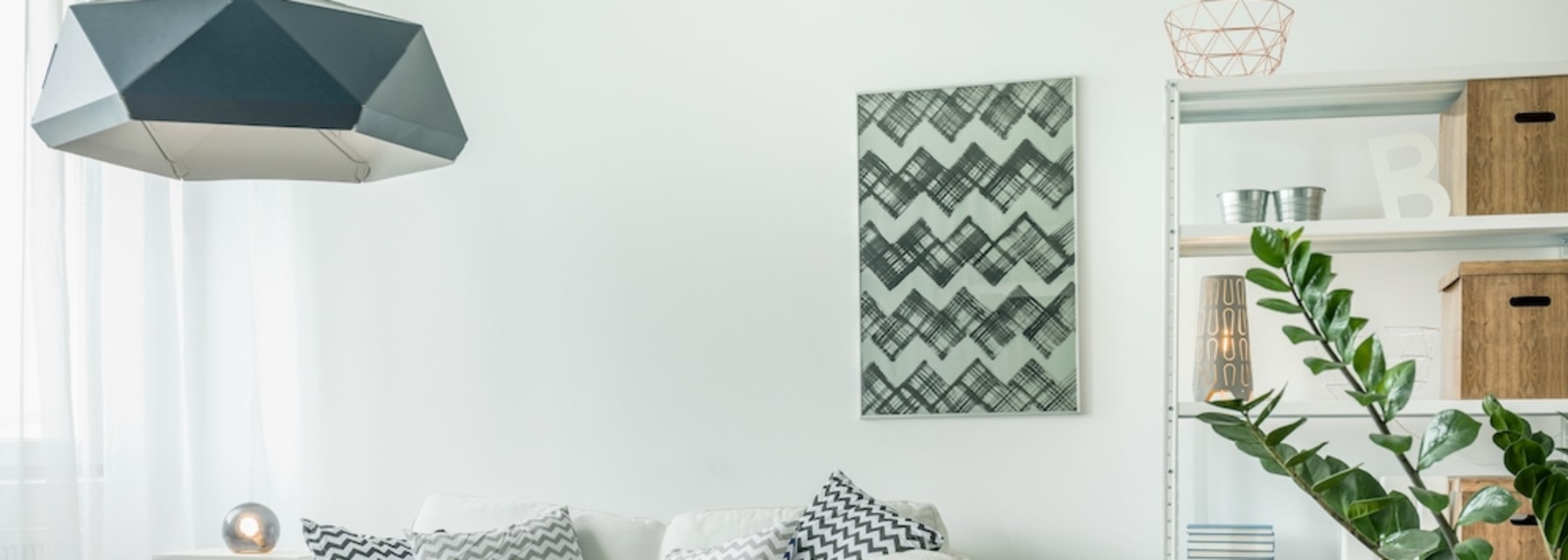


If you’re preparing to relocate, or are traveling for work or studying, you’ are likely considering a variety of different living arrangements. Many people who move to a new city alone opt for a studio or an efficiency apartment. After all, these smaller units are usually more affordable than larger apartments.
But what exactly distinguishes an efficiency apartment from a studio? Although efficiencies and studios have a lot in common, there are some key differences that can make or break your lifestyle.

An efficiency apartment is a single room that combines your living, sleeping, and dining space, with a kitchenette and a private bathroom. Merriam-Webster defines it as “a small usually furnished apartment with minimal kitchen and bath facilities.”
Studio apartments are common around the world, but efficiency apartments are primarily a North American housing term. You’ll most often see them in large U.S. cities such as New York, Los Angeles, Chicago, and Washington, DC. In other countries, similar units may instead be called micro-apartments, compact studios, or bedsits.
Many are in older or converted buildings, where owners carved large homes, basements, or attics into smaller units.
That means if you’re planning to move to a medium-sized city, or even a large but dense metro area, you may find fewer apartments specifically labeled as “efficiencies.”
Here’s our complete guide to efficiency apartments, including the differences between an efficiency and a studio. We’ll also cover some of the pros and cons of renting one so you can decide if this type of housing is right for you.
Key takeaways
- An efficiency apartment is a single room with a kitchenette and a private bathroom, while a studio usually has a full kitchen.
- Most efficiencies are around 250 to 450 square feet, which makes them smaller than the typical studio.
- Lower rent and utility bills are the biggest perks, but you give up storage, privacy, and cooking space.
- Efficiencies work best for people who live alone, eat out often, and want a central location over extra space.
- Listings often call efficiencies studios, junior studios, or micro-apartments, so check the photos for a full-size fridge and oven.
What is the difference between an efficiency apartment and a studio apartment?
Studios and efficiency apartments have a lot in common. In fact, they’re so similar that the terms are sometimes used interchangeably in apartment listings.
Both studios and efficiency apartments typically have single-room layouts, where the bedroom and living area share the same space.
Both also have a private bathroom behind its own door. In an efficiency, it’s often smaller and may have a shower instead of a tub.
If you live in either type of apartment, your sleeping and living spaces are combined. Of course, it’s still possible to create separate “zones” in the room using bookcases, curtains, folding screens, or room dividers.
The main difference between a studio and an efficiency apartment is the kitchen.
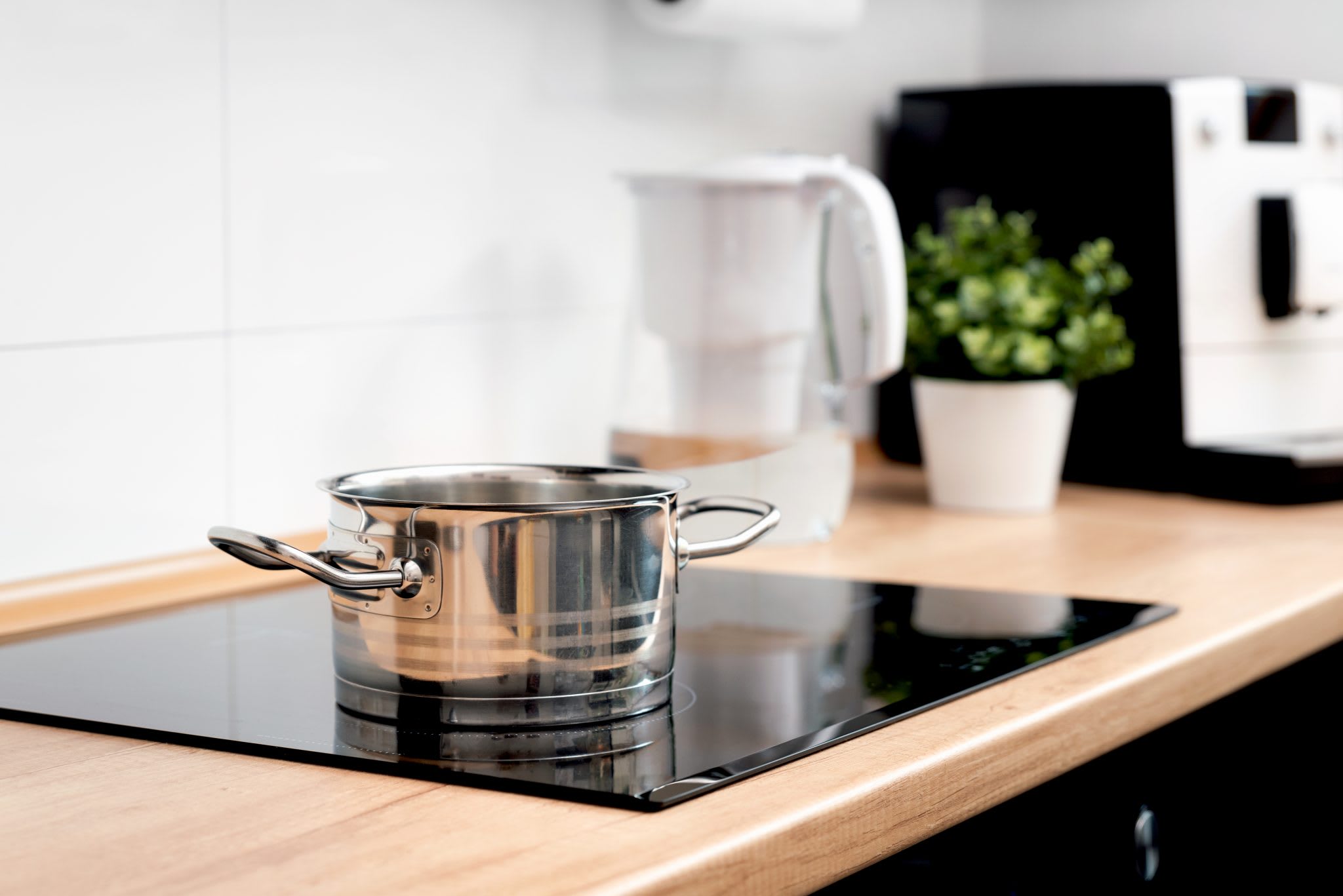
Studio apartments usually include a full kitchen, which typically features:
-
A full-size refrigerator
-
An oven with stovetop burners
-
A sink and basic counter space
Efficiency apartments, on the other hand, generally have kitchenettes instead of full kitchens.
A kitchenette may include:
-
A mini fridge
-
A microwave or toaster oven
-
A small sink
-
One or two electric burners or a hot plate
Because of the smaller kitchen, efficiencies are also smaller overall. Most fall somewhere around 250 to 450 square feet. Studios usually start around 400 square feet and can go past 600.
For this reason, efficiency apartments are typically cheaper than studios, especially in expensive urban housing markets.
Here’s how they compare side by side:
| Efficiency apartment | Studio apartment | |
| Kitchen | Kitchenette: mini fridge, microwave, one or two burners or hot plate | Full kitchen: full-size fridge, oven, stovetop |
| Typical size | About 250 to 450 sq ft | About 400 to 600+ sq ft |
| Bathroom | Private, often compact or shower-only | Private, standard size |
| Rent | Lower | Higher than an efficiency, lower than a one-bedroom |
| Storage | Minimal | Usually more closet space |
| Best for | Solo renters who rarely cook and want a central location | Renters who cook, work from home, or host guests |
Benefits of living in an efficiency
There are several advantages to choosing an efficiency apartment.
Lower rent
The biggest benefit is usually cost savings. Efficiencies are often located in central neighborhoods but rent for significantly less than one- or two-bedroom apartments.
For renters trying to live close to downtown areas or major employment centers, an efficiency can make an otherwise expensive neighborhood more affordable.
Minimalist living
Efficiency apartments encourage a simple, minimalist lifestyle.
Because the space is smaller, you’re less likely to accumulate unnecessary furniture or clutter. Many renters choose multifunctional furniture such as:
-
Murphy beds
-
Sofa beds or futons
-
Fold-down desks
-
Storage beds
This approach can save both time and money when furnishing your home.

Lower utility bills
Smaller spaces typically mean lower utility costs. Heating, cooling, and electricity bills are often lower than they would be in a larger apartment.
Easy to keep clean
With one room and a small kitchen, cleaning the whole place takes very little time. There’s less to maintain overall.
Ideal for short-term living
Efficiency apartments can also be a good option for:
-
Students
-
Interns
-
Professionals relocating to a new city
If you work remotely, check that there’s room for a real desk and a reliable internet connection. A small unit can work, but a bed doubling as your office gets old fast.
For a short stay, buying furniture for a tiny apartment rarely makes sense. A furnished rental with flexible terms lets you skip the setup and move out without hauling a futon down three flights of stairs.
Downsides to living in an efficiency
Of course, efficiency apartments also come with some drawbacks.
Limited living space
The most obvious downside is the lack of space. Efficiencies are often similar in size to a standard hotel room.
While some studio apartments include loft areas or larger layouts, efficiencies are usually just one compact room plus a bathroom.
Limited Storage
Closet space is usually minimal. If you own a lot of clothes, sports gear, or work equipment, plan on under-bed bins and shelving, or a bigger unit.
Less privacy
Efficiency apartments are best suited for single occupants.
Living in such a small space with a partner or roommate can quickly feel cramped and may put strain on relationships.
Hosting is tricky too. With your bed in the middle of the room, having friends over for dinner takes some creativity. Pets may also feel cramped, so check the pet policy and the space before you sign.
Limited cooking options
If you enjoy cooking, the kitchenette may feel restrictive.
Without a full stove or oven, you may be limited to simple meals. Some efficiency apartments only have one burner or a microwave, which can make more complex cooking difficult.
This can also eat into your savings. If the kitchenette pushes you toward takeout most nights, the lower rent may not go as far as you expect.

Studio apartment pros and cons
A studio gives you more room and a real kitchen, but you pay for it.
Pros
- A full kitchen with a standard fridge, oven, and stove
- Enough space to separate your sleeping area from your living or work area
- Easier to host guests at a small table or couch
- More closet and storage space
Cons
- Higher rent than an efficiency
- More space to furnish if the unit comes empty
- Higher heating and cooling costs
Is an efficiency apartment right for you?
Choosing an efficiency apartment depends on your priorities.
If you rarely cook and prefer dining out, the savings on rent might allow you to enjoy more restaurants, cafes, and nightlife in your neighborhood.
However, if you cook frequently or need more storage space, you may be happier in a studio or one-bedroom apartment.
Efficiency apartments are generally best for people who:
-
Live alone
-
Own relatively few possessions
-
Spend a lot of time outside the apartment
-
Prefer a central location over extra space
Still unsure? Ask yourself:
- What’s my monthly budget, including utilities?
- How often do I cook at home?
- Will I work from home, and where would my desk go?
- Do I have guests over often?
- How long do I plan to stay?
How to find a great efficiency apartment
Before starting your search, make sure efficiency apartments actually exist in your target housing market. They are most common in large urban areas with expensive housing markets.
Because the terms “studio” and “efficiency” are often confused, it’s a good idea to search for both types of listings.
Some landlords even label efficiency units as:
-
Studios
-
Micro-apartments
-
Junior studios
-
Compact studios
They may do this simply because those terms are more familiar to renters.
If you tour an apartment that clearly has only a kitchenette but is priced like a full studio or one-bedroom, it may not be the best value.
Where to search
Today, most apartment hunting happens online. Popular rental platforms include:
- Blueground (furnished homes with flexible terms)
- Apartments.com
- Zillow
- StreetEasy (especially in New York City)
When browsing listings, look closely at the photos to determine whether the unit has a full kitchen or just a kitchenette.
A quick hint: if you see a mini fridge instead of a full-size refrigerator, the apartment is very likely an efficiency.
Find a furnished apartment that fits your next move

An efficiency can be a smart pick if you live alone, eat out often, and want a central location for less. If you cook a lot, work from home, or need more storage, a studio is usually worth the extra rent.
Whichever you choose, the hardest part of a new apartment is usually the setup. Blueground homes come fully furnished and move-in ready, with a fully equipped kitchen, premium linens, a smart TV and high-speed Wi-Fi. Utilities are included, too.
Booking is simple. You can browse apartments online, sign your contract digitally and schedule a digital check-in. Stays start at 30 days and renew month to month, so you can settle into a new city without locking into a year-long lease. Once you’re in, the Blueground Guest App lets you request maintenance, book a cleaning, or order fresh linens any time. Ready to make a big move? Find your apartment →
Frequently asked questions
Are efficiency apartments cheaper than studios?
Usually, yes. They’re smaller and have a kitchenette instead of a full kitchen, so rent and utilities tend to be lower. Location still matters more than layout, so an efficiency in a prime neighborhood can cost more than a studio farther out.
Does an efficiency apartment have a bathroom?
Yes. An efficiency has a private bathroom with its own door. It’s often smaller than a studio’s and may have a shower instead of a tub.
Can you live in an efficiency apartment long term?
Many people do, especially those who live alone, eat out often, and spend most of their time away from home. If you cook a lot, work from home, or keep a lot of stuff, a studio or one-bedroom will likely feel better after the first few months.
What else are efficiency apartments called?
Listings may call them studios, junior studios, compact studios, or micro-apartments. Outside North America, you may also see the term bedsit.
How big is an efficiency apartment?
Most are around 250 to 450 square feet, roughly the size of a large hotel room.

Related Stories


