


Short-term vs long-term rentals: what’s best for your living situation?
Find out the differences between short-term & long-term rentals




Short-term rentals have gained traction alongside traditional long-term leases. While the allure of a temporary stay has positives, there’s also a compelling case for staying longer. Choosing between a short-term rental vs. a long-term rental comes down to how long you’ll stay, what you’re bringing with you, and what you’ll actually pay each month.
Key takeaways
- Short-term rentals usually run fewer than 30 nights, mid-term rentals cover about one to six months and long-term leases typically last six to 12 months or more.
- Short-term stays give you the most flexibility, but nightly rates plus cleaning and service fees make them the most expensive option per night.
- A traditional long-term lease usually has the lowest monthly rent, though deposits, utilities, and furniture can make it cost more than it looks for a stay of only a few months.
- Mid-term rentals come furnished with utilities included and are priced by the month, which makes them a strong fit for relocations, work assignments and life transitions.
- The right choice depends on how long you’ll stay, how firm your timeline is, and whether you’re bringing furniture with you.
What counts as short-term, mid-term, and long-term in the rental market?
There’s no single legal definition of the three terms. Platforms, landlords, and cities each draw the lines a little differently, but most use these ranges:
- Short-term rental: a stay of fewer than 30 nights, usually booked by the night.
- Mid-term rental: a stay of about one to six months, usually furnished and priced by the month.
- Long-term rental: a lease of six to 12 months or more. In the U.S., these are typically unfurnished.
A 45-day stay might be called short-term on one site and mid-term by a landlord. Look at the minimum stay and the lease terms on a listing, not the label.

The rise in demand for short-term rentals
In the era of Airbnb and vacation rentals, short-term stays have become increasingly popular. Why? Flexibility. This kind of lease appeals to travelers and those seeking temporary housing solutions. It’s a shift that’s reshaped the rental market.
However, short-term rentals are facing a bunch of challenges lately in major cities. For instance, this kind of lease is becoming more difficult to obtain in New York City due to economic, social, and regulatory factors. One significant issue is the impact on housing affordability and availability. That’s because more short-term rental platforms add to housing shortages and drive up rental prices.
Additionally, concerns about neighborhood disruptions and the erosion of community cohesion arise due to the “here today, gone tomorrow” nature of short-term rentals. If enough housing is unstable, it can disrupt the fabric of residential areas. Regulatory frameworks often struggle to keep pace with the rapid growth of short-term rentals. This leads to debates over zoning regulations, taxation, and enforcement measures.
Many cities have settled on 30 nights as the dividing line. New York City’s Local Law 18, enforced since 2023, requires anyone renting out a home for fewer than 30 days to register with the city. The host also has to be present during the stay, with no more than two guests. Stays of 30 days or longer fall outside those rules. That’s why furnished apartments rented by the month are still easy to find in cities where nightly rentals have been squeezed out.
Contrary to the transient nature of short-term rentals, long-term accommodation options offer stability and a sense of belonging. These rentals cater to individuals and families looking to establish roots and enjoy the comforts of a permanent residence. Basically, long-term residents plan to stick around.
Pros of short-term rentalsliving

Flexibility
In a short-term rental vs. long-term rental comparison, a shorter duration offers ultimate flexibility, allowing travelers to explore different destinations. Whether for a weekend getaway or an extended vacation, short-term rentals provide more freedom. This lets you tailor your living situation to your specific needs and preferences.
Amenities & furnishings
Many short-term rentals come fully furnished and equipped with amenities such as kitchens, laundry facilities, and entertainment options. This convenience enhances the overall guest experience. It also provides a home-away-from-home environment with all the comforts and conveniences needed for a comfortable stay.
Unique experiences
Short-term rentals often offer unique and diverse lodging options. That may include historic homes, boutique apartments, and themed properties. These distinctive accommodations allow travelers to immerse themselves in the local culture, architecture, and lifestyle. A unique stay means more memories than you’d typically make in a traditional home.
Cons of short-term stays

Higher costs
On a per-night basis, short-term stays are usually more expensive. With nightly rates, cleaning fees, and service charges, the overall cost of short-term accommodations can add up quickly. This higher expense can strain travel budgets and limit options for wallet-conscious travelers.
Limited availability
Popular short-term rental properties may experience high demand, leading to fewer places to stay during peak travel seasons or in sought-after locations. This limited inventory can make it challenging to live exactly where you want and when you want. That’s especially true for last-minute bookings or large groups. The result? Major inconveniences and frustration.
Transient experience
Unlike long-term rentals, which offer stability and a sense of belonging, short-term stays can seem temporary. Guests may not have the opportunity to get a real feel for the local community or establish meaningful connections. This limits the depth of their travel experiences and social interactions. Why bother getting to know people if you’re only going to be there for a brief time? Plus, frequent turnover of guests can lead to a lack of continuity and a less personalized experience compared to long-term living arrangements.
The middle ground: mid-term rentals
Not every move fits a weekend trip or a 12-month lease. A mid-term rental covers the stretch in between. It’s often the most practical pick when you know you need a home but aren’t sure for how long.
You get the furnished, move-in-ready setup of a short-term rental. You pay a monthly rate instead of a nightly one, so cleaning and service fees don’t pile up with every booking. And you skip the year-long commitment and empty apartment that usually come with a traditional lease.
Mid-term rentals tend to fit:
- Professionals relocating for a new job who need a base while they get to know the city
- Consultants, travel nurses, and others on assignments that last a few months
- Remote workers who want to live somewhere for a season, not a weekend
- People between homes during a renovation, a separation, or a gap between leases
- Students in town for a semester or an internship
Blueground stays, for example, start at 30 days and can run for years.
Long-term rentals: The case for ‘settling in’

A short-term rental vs a long-term rental is a big difference. Long-term leases offer a sense of permanence, building a deeper connection to the community and surroundings. You have the opportunity to personalize your living spaces and establish lasting relationships with neighbors.
Choosing a long-term apartment rental over a short-term stay has numerous advantages that extend beyond mere accommodation. You’ll also save thousands in upfront furniture costs and pay lower rental rates.
Advantages of long-term rentals

Stability & security
Long-term rentals offer tenants security by providing a fixed-term lease agreement, typically spanning months or years. This stability allows individuals and families to establish roots in a community, maintain consistent living arrangements, and plan for the future with confidence.
Cost-effectiveness
More often than not, your money goes further when you stay longer. Long-term rentals usually provide better value for money compared to short-term stays. Monthly rent payments are typically lower, and tenants may benefit from discounted rates or incentives for signing longer leases. Long-term renters can avoid the additional costs associated with frequent moves. Those can be moving fees, storage expenses, and utility setup charges.
Sense of community
Want to feel like you truly belong somewhere? Stay there for a year or longer. Living in a long-term rental property builds a sense of community. Over time, residents have the opportunity to build relationships with neighbors, participate in local events, and contribute to the neighborhood. This sense of connection helps you enjoy life more. It boosts your overall well-being and satisfaction with the living environment, creating a more fulfilling and enriching experience.
Comparing the three options
The biggest differences show up in what’s included and what you commit to.
| Short-term | Mid-term | Long-term (traditional) | |
| Typical stay | 1 to 29 nights | 30 days to about six months | Six to 12 months or more |
| Furnished | Yes | Yes | Usually not |
| Utilities and Wi-Fi | Included | Usually included | Set up and paid by you |
| How you pay | Nightly rate plus cleaning and service fees | Monthly rate | Monthly rent |
| Upfront costs | Full booking cost | First month and a deposit, in most cases | Security deposit, first month, and any furniture you need |
| Commitment | Only the dates you book | Set end date or month-to-month | Fixed lease, often with fees to leave early |
| Best for | Trips and short visits | Relocations, assignments and life transitions | Settling in for a year or longer |

Short-term vs. mid-term vs. long-term expenses
When comparing the financial implications of a short-term rental vs long-term rental, the longer you stay, the more affordable a home typically becomes. The lower monthly costs and reduced turnover expenses play a part in that. While short-term rentals may seem economical for brief stays, they can quickly add up in the long run.
Rent is only one line in the budget, though. To compare fairly, add up everything you’d pay over the full length of your stay:
- Short-term: the nightly rate times the number of nights, plus cleaning and service fees on every booking.
- Long-term (traditional): monthly rent, plus the security deposit, utilities, internet and renter’s insurance you set up and pay on your own. If the apartment is empty, add furniture.
- Mid-term: a monthly rate that usually bundles furniture, utilities and Wi-Fi, so the price you see is closer to the price you pay.
For a year or more, a traditional lease usually comes out ahead. For a few months, the math often flips once you count a deposit and a houseful of furniture for a place you’ll leave soon.
Furnished vs. unfurnished
Most traditional long-term rentals in the U.S. come empty. That works if you already own furniture and plan to stay put. It’s a lot harder if you’re moving across the country with two suitcases.
Before you sign for an unfurnished place, ask yourself:
- Will this furniture still fit your next home?
- What will it cost to move it again when the lease ends?
- How many nights will you spend on an air mattress waiting for deliveries?
If your timeline is uncertain, a furnished rental lets you arrive with your personal things and leave the same way. Furnished long-term programs mean you don’t have to choose between a longer stay and a ready-to-live-in home.
Short-term vs. long-term considerations
What else matters other than money? The lifestyle implications of each length of stay vary significantly. Short-term stays suit those who want to remain flexible or have specific travel plans, whereas long-term rentals cater to people who want to put down roots. It’s a present and near future vs present and far future mindset.
If you land somewhere in the middle, that’s what mid-term rentals are for. A few questions can make the choice clearer:
- How long will you realistically stay? Under a month points to short-term. A year or more points to a traditional lease.
- How firm is your timeline? If a job, school term or renovation could run long or end early, flexibility is worth paying for.
- What are you bringing? Owning furniture favors an unfurnished lease. Arriving with luggage favors furnished.
- Will you work from home? Look for reliable Wi-Fi and a real workspace, not just a kitchen table.
Why settling in pays off

Saving beyond short-term
Whether you’re a planner or not, opting for a long-term apartment rental allows you to better plan out your finances. You’ll avoid the uncertainty and potential cost fluctuations associated with short-term stays. Over time, the savings accumulated from stable rents can contribute to long-term financial goals. That’s because you see what you’re paying and more easily determine how that might change in the coming months and years.
Community connections
Neighbors can become some of the best friends you’ll ever have. But that takes time. Typically, only long-term residents have the opportunity to forge those meaningful connections. It’s an important way to add to your social support network and provide life satisfaction.
Stress reductions
Peace of mind shouldn’t be overrated. With a long-term rental, tenants can enjoy a familiar environment and have an idea of what’s coming next. The absence of constant relocation stress allows individuals and families to focus on other aspects of their lives and pursue long-term goals with confidence. In short, settling down helps you settle on your next steps.
Find a home that fits your timeline with Blueground

If you’re staying a year or more, a long-term rental usually costs less each month and gives you time to settle in. If your timeline is shorter or still taking shape, a furnished monthly rental gives you that same settled-in feel without a 12-month lease.
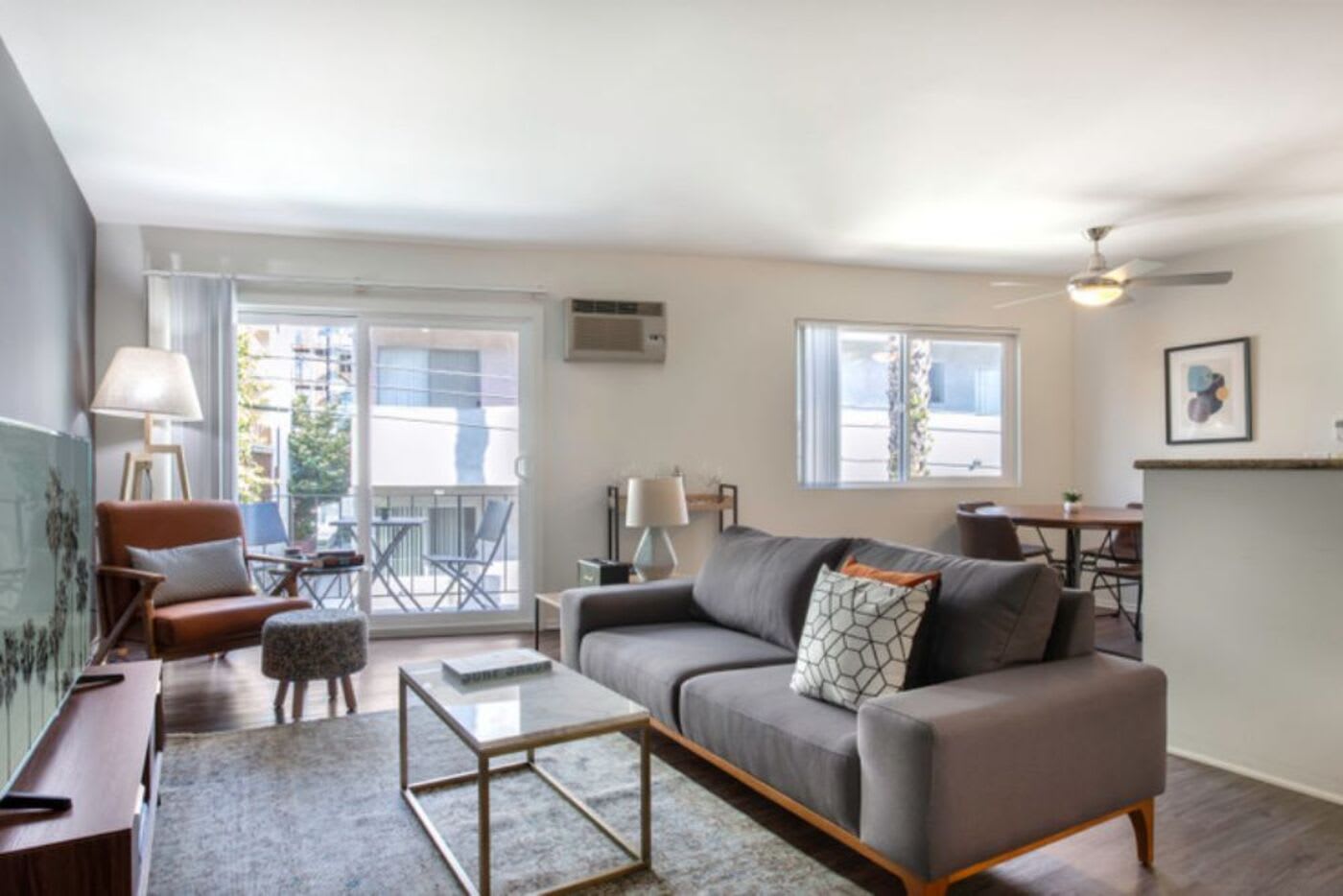
Blueground covers both. Whether you book a few months or sign a lease for a year or more, you get the same move-in-ready home. Each one is fully furnished and designer-decorated, with a fully equipped kitchen, fresh linens, a smart TV and high-speed Wi-Fi. Utilities are included, so there’s nothing to set up before you arrive.
Booking your homeGetting in is simple. BYou browse live listings, book online, and sign your contract digitally. Check-in is digital too, so you can show up with your personal things and start living.
Once you’re settled, the Blueground Guest App takes care of the rest. Request maintenance, book a cleaning, or order fresh linens and towels right from your phone. Pricing is based on the length of your stay, so the longer you stay, the more you save. Ready to make a big move? Find your apartment →
FAQs about short-term and long-term rentals
Can I break a long-term lease if my plans change?
Usually, but it costs you. Many leases charge an early termination fee, commonly one or two months’ rent. Others keep you on the hook for rent until the landlord finds a new tenant. Rules vary by state and city, so look for an early termination or subletting clause before you sign. If there’s a real chance your plans will change, a furnished rental with shorter terms is less risky than a fixed 12-month lease.
Do I need a credit check or a guarantor to rent long-term?
With most traditional landlords, yes. Expect a credit check and proof of income, and sometimes a guarantor. In New York City, many landlords want your annual income to be about 40 times the monthly rent. That can be a hurdle if you’re new to the country or don’t have U.S. credit history yet. Some furnished providers keep it simpler. Blueground’s Studentground program, for instance, doesn’t require a guarantor or credit check for international students.
Can I extend a monthly rental if I need more time?
Often, yes, as long as the home isn’t booked for the dates after yours. Ask a few weeks before your end date so you aren’t scrambling. At Blueground, you canextend your staythrough the Blueground app if availability permits.
Will my employer cover temporary housing during a relocation?
Many relocation packages include temporary housing, often for 30 to 90 days while you look for a permanent place. Coverage varies by company. Ask HR or your mobility team what’s included, whether there’s a monthly cap and whether you need to book through a specific provider. Some employers book furnished apartments directly through programs like Blueground for Business.
How quickly can I move into a furnished rental?
A traditional lease can take weeks once you factor in applications, approval and move-in scheduling. Furnished rentals with online booking move much faster. Blueground homes in many cities are available for move-in within 24 hours, depending on availability.
Can I bring my pet to a short-term or furnished rental?
It depends on the listing. The owner or building sets the pet policy, and many charge a pet fee or an extra deposit. Filter for pet-friendly homes when you search, and confirm any size or breed limits before you book. Blueground has pet-friendly homes in many buildings, with pet fees listed separately.

Related Stories


