


I was a digital nomad for 4 years. Here’s what it taught me about feeling at home anywhere
Intrigued by the digital nomad lifestyle? Four years and 40 countries later, one digital nomad shares what she learned.

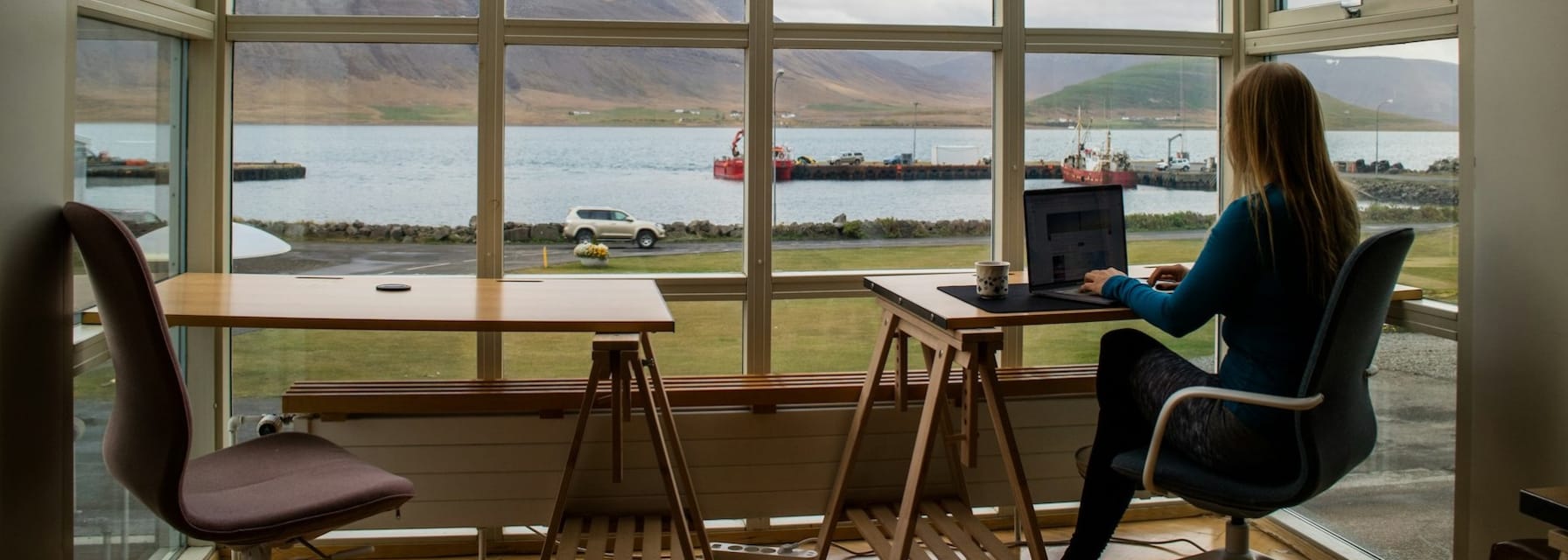


Most people think of digital nomads as backpack-clad twenty-somethings, laptops in hand at the beach or joining conference calls from tuk-tuks in Southeast Asia. And they’re not wrong. When I first started my digital nomad journey in 2021, that’s exactly what I was doing: working from hammocks in a swimsuit, feeling like I had won the lottery. I started nomading about a year into the COVID-19 pandemic, when remote work was adopted en masse. Though I initially planned to travel for just a few months, I got hooked on the lifestyle, keeping it up for four years and across 40 different countries, even meeting and marrying my husband along the way.
In that time, I also learned a lot about what it means to balance full-time work and full-time travel, and how to feel at home anywhere I put down (loose) roots, whether for a few days, weeks, or months. Truthfully, the digital nomad lifestyle is not all margaritas and luxe airport lounges; being a digital nomad will test your boundaries, bravery, and productivity, while also opening your mind to the world in a life-changing way. If you can go in with the right tools and approach, you can squeeze all the juice out of this unique opportunity, and make it last years—or even longer, if you want. Here’s the reality of being a digital nomad, and what I learned was necessary to feel grounded in this flexible lifestyle along the way.
What are digital nomads?
A digital nomad is anyone who works remotely while traveling—and there’s no one way to do it. Some digital nomads maintain a home base that they rent or own but travel for long stretches, while others string together temporary living arrangements, moving as often as they like. Others still may choose to live in a van or RV, traveling, working, and sleeping on the road. There are digital nomads who travel domestically and never leave their home country, while others might change countries every month or week.
As for work, some nomads are self-employed or work as contractors, gig workers, or freelancers, while others may be employed by companies that offer sabbaticals or allow location-flexible remote work. The label can even include students who are studying online and traveling while they do. You don’t need to travel for years to consider yourself a nomad, either. It’s common for people to get a taste by nomading for just a few months.
What the digital nomad lifestyle really looks like
Balancing work and life
If you work full-time, you’ll still be spending about eight hours a day at your computer, and need to spend some time doing “regular” life stuff, such as grocery shopping, laundry, cleaning, and getting enough sleep. This means you’ll honestly have less time to run around and explore than you’d probably like. Just like working in an office, you’ll need to take advantage of weekends and strategic off-work hours to enjoy your surroundings without taking vacation days. However, unlike working in an office, you’ll almost never have an ergonomic desk setup. (Get used to making any table and chair configuration work, and consider BYO extras like an external monitor or keyboard for more comfortable workdays.)
It’s easy to let other routines like cooking healthy meals or exercising fall by the wayside, but if you’re nomadic for more than a few months, you’ll want to make sure you leave space for them, too. In my experience, the adrenaline-filled “vacation mode” mentality lasted somewhere between six months and a year. Then I realized I couldn’t neglect these priorities in the long run, and had to make more time for “boring” stuff in my days, including winding down with Netflix at night and saying no to some drinks plans in order to get a workout in.
Choosing your next place
There’s so much to consider when choosing the place you’ll stop next, from how you’ll get there and the cost of living to internet speeds, language, exchange rate, local attractions, cuisine, and whether or not the time zone jives with your work schedule. (Don’t forget to check the amount of time you can stay in a country or area, and whether you need a visa to enter.)
I found it helpful to make a list of priority destinations, grouping nearby ones together, and also reflecting on what I wanted out of my next stop. Coming from New York City, I loved that nomading allowed me to spend time in nature—working on the balcony of a jungle lodge in Sri Lanka or with a view of the mountains in Southern Argentina. Just be sure to leave room for spontaneity, too; when a new friend suggests you join for a birthday celebration in Cartagena (where you could meet your future husband—true story), you’ll want to leave space in your travel plans to say yes.
Traveling light
Packing light—which is, in my opinion, limiting yourself to what you can carry and lift with your own two hands—will be instrumental in making travel days easier, reducing luggage costs when flying, and also giving you room to add on when you need to buy a layer for colder weather or can’t resist that one souvenir. You’ll become an outfit repeater, and you won’t always be able to wear what you want, but consider it a worthwhile concession; the fashion points you lose, you’ll gain in worldly experience. Moreover, if you let it, being a nomad will teach you a profound lesson in minimalism, and wake you up to how little you really need to get by. It certainly did so for me.
Making new friends
There’s a common misconception that solo travel means you’ll do everything alone. Really, if you’re open to it, you can make friends faster than you ever would in the “real world,” and let these connections shape your experience.
During my nomading years, I found that where I chose to stay made the biggest impact on how quickly and easily I made friends. Hostels and coliving spaces naturally lend themselves to community, while furnished apartments offer more privacy and comfort but force you to be intentional about getting out and making connections. Booking guided day trips or excursions can also help introduce you to fellow travelers or local guides who come with connections of their own.
Online, look for Facebook or WhatsApp groups for fellow travelers, as well as language exchange events and local nomad or expat meet-ups. Once you start meeting fellow travelers, you’ll be surprised by how your network spiderwebs out exponentially. Don’t discount the power of a quick social media post saying “hey, I’ll be in [this location] for a while—who knows someone there?”
Managing your budget
One of the benefits of the nomad lifestyle is you have a large degree of control over your monthly expenses. Budget feeling tight? Head to a cheaper country, decide to move less, or choose more affordable lodging for the month—that’s something you certainly can’t do when you already own a home or are locked into a lease. The high variation in costs also means they aren’t always predictable. I found it helpful to keep track of my spending using a budgeting app so I could see how much I was spending on lodging, transportation, entertainment, and eating out, and how that varied from place to place.
Many people assume traveling the world costs a lot of money, but coming from New York City, I was able to live significantly more affordably than I could at home. Booking longer stays, traveling less often (or on cheaper days of the week), cooking at home, and even volunteering at hostels (in exchange for free lodging) can help keep costs even lower.
The freedom of flexible living: why it’s worth it
Becoming a digital nomad offers you absolute flexibility, a more immersive travel experience, and a profound shift in perspective that you just won’t get from vacationing for a few days or weeks out of the year. Here are some (but not all) of the benefits of giving it a try:
- Near-infinite flexibility. Missing warm weather? Travel to it. Craving fresh sushi? Ditto. Feel like working at night and spending all day napping on a tropical beach? Go for it. Nomading allows flexibility in a way other lifestyles just can’t match.
- Keeps life bigger than work. Being out there in the world can serve as a powerful reminder of the bigger picture and override the default work-eat-sleep-repeat routine that tends to define most working adults’ weekdays.
- Makes time feel fuller. Nomading is defined by novel experiences, which research shows helps to slow our perception of time, and can also help you stay mindful and enjoy the present moment.
- Check more places off your bucket list. Even if you move every month or two, that’s at least 6–12 new places you’ll get the chance to explore in one year of being a nomad.
- Immerse yourself culturally. Spending more time in a place, plus doing everyday things like grocery shopping, running to the pharmacy, and going for walks — often in more residential neighborhoods—will give you more time and opportunity to get to know a culture more deeply than simply visiting tourist hotspots.
- Build a global network of friends. You’ll meet people from all over the world, bond over shared experience, and build deep, lasting connections that will not only shape your future travels, but also foster a broader, more empathetic worldview.
- Cultivate new interests and hobbies. Figured out you love to surf, hike, or cook? Want to master a new language? You can plan your next few destinations around those priorities.
- Control your costs. Because nomading comes with so few (if any) fixed costs, you have ultimate control over how much you’re spending. In a pinch, volunteer and “work and travel” programs can even help you secure a spot to stay for free.
How to make flexible living sustainable for the long term
The freedom that comes with being a digital nomad is a beautiful thing, but it can also make you feel untethered. The longer I traveled, the more I realized I needed structure, community, and a real place to land in each new location. These are the digital nomad tips I needed before I jumped in.
Build routines and rhythm
You’re going to need routines and downtime—even if you’re self-employed or unbound from a traditional 9-5 schedule. I learned this the hard way, when I switched from a corporate job to flexible freelance life and found myself traveling and doing tours in the middle of the week, but also working every single day to meet deadlines and never taking a full weekend off. Protect your work and rest time, and try to build a consistent schedule, even if it means doing a little less or traveling a little slower.
Routines help reduce decision fatigue that can happen when you’re constantly deciding what to do, where to go, and how to spend your money and time. This doesn’t just mean blocking out a workday or gym time but also maintaining smaller routines that ground you, like a nightly cup of tea or AM journaling practice.
Slow down
On that note, if I could change one thing about my nomad experience, it would be to travel slower. It’s hard to resist squeezing in as many destinations as possible, but, for me, moving too often while working full time—and neglecting to safeguard my personal time—contributed to burnout that eventually took some of the joy out of traveling. Instead of staying in each place for days or a week, I would insist on at least two weeks to a month in each location, staying multiple months in places I really came to love.
Connect to the world around you
It’s easy to stay inside your comfortable little nomad bubble, especially if you’re staying and working alone in a furnished apartment. For me, this tendency could quickly lead to feelings of isolation, and like I was stuck back in my apartment in New York City rather than exploring the world. Make a point to get outside the house and connect with people—whether it’s to work from a cafe or coworking space, join a gym, volunteer, attend a free event, or take a tour. Try to avoid the trap of being a spectator tourist, and lean in; what can you do to feel engaged in the place you are, rather than be a passive onlooker?
Have a real home base
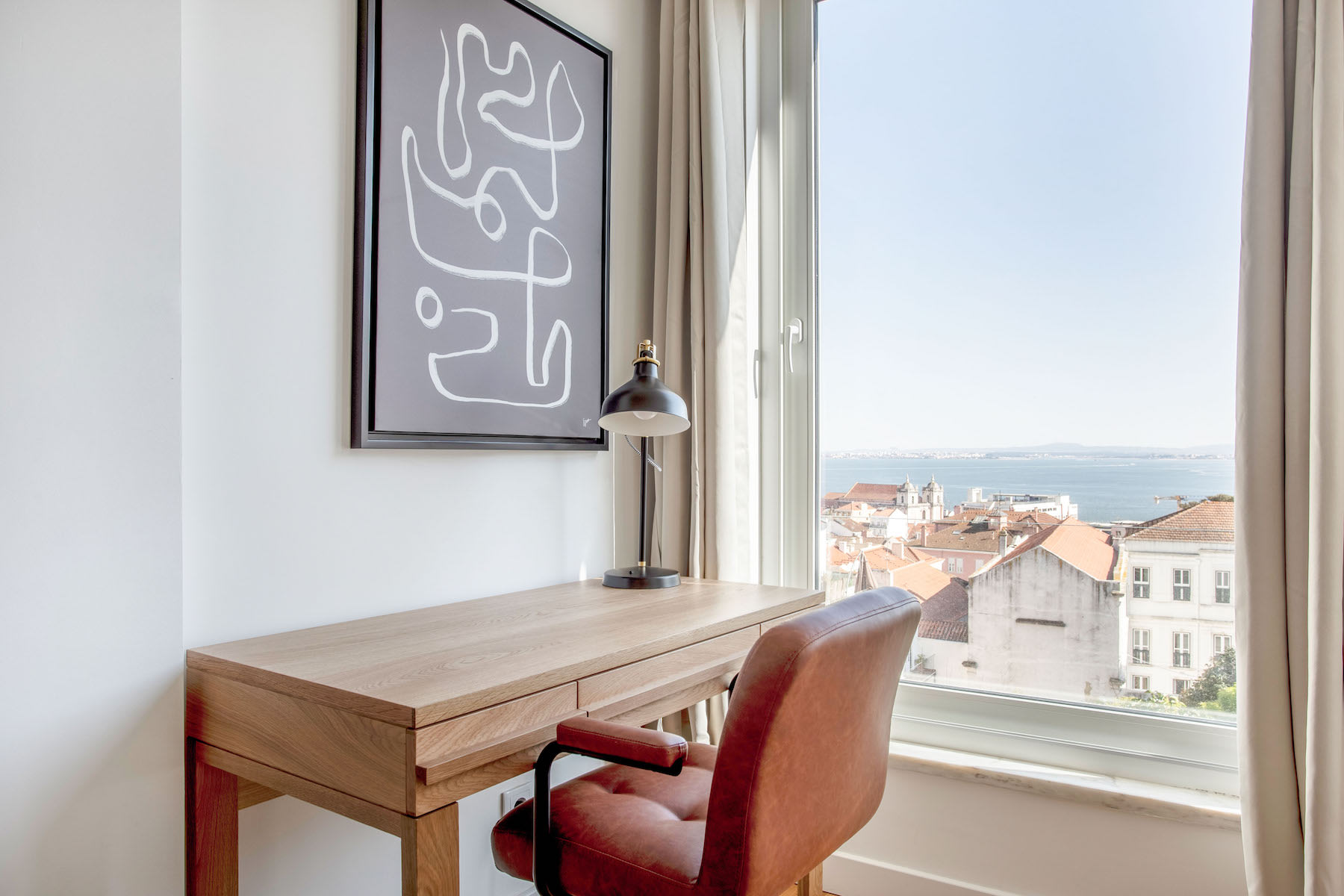
Once I was past the initial honeymoon phase of nomad life, I found that I couldn’t deal with subpar working and living conditions anymore. After battling for outlets at too many coffee shops, trying to take video calls in noisy hostel lobbies, and ordering in too many meals, I switched largely to booking furnished apartments. This gave me what I sorely needed: a distraction-free workspace, room to cook my own food, space to do home workouts, and an area where I could rest and relax that wasn’t my hotel or hostel bed. This switch also offered me the distinct experience of feeling like I was living in a place, rather than just visiting. Hostels or hotels still worked for quicker stops or weekend trips, but to feel at home, I found that I needed to actually stay in one.
Blueground’s furnished apartments check all the boxes, and offer a consistent quality and standard, so when you turn the key to any new place, you know just what you’re getting—and can feel right at home. They’re made for slower travel, allowing you to book for one month or more, in over 50 cities around the globe. They have all you’ll need to feel at home, from fully equipped kitchens and dedicated workspaces to little touches of home, like extra blankets and entertainment systems. That way, each move feels less like starting over and more like settling in.

Related Stories


